
 By IKadverts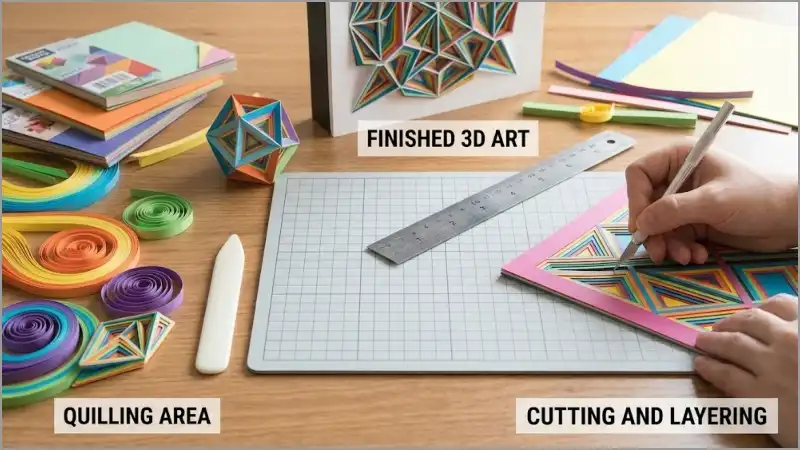
Have you ever looked at a simple sheet of printer paper and wondered what else it could become? Paper craft transforms everyday sheets into stunning home decor, handmade gifts, and functional art. It is one of the most accessible hobbies available today because you do not need expensive machinery or complex tools to start.
Whether you want to relax after a busy workday or start a budget-friendly creative project with your family, paper craft offers endless possibilities. This practical guide covers essential techniques, necessary supplies, and actionable project ideas to help you master the art of working with paper.
What Is Paper Crafting and Why Is It So Popular?
Paper craft refers to any art form that uses paper or cardstock as the primary medium to create two-dimensional or three-dimensional objects. Unlike sculpting with clay or painting on canvas, working with paper relies on precise folding, cutting, layering, and gluing.
People of all skill levels love paper craft for three main reasons:
-
Cost-Effective: Standard paper and basic glue cost very little, making it an affordable hobby.
-
Low Space Requirement: You do not need a dedicated studio. A clean dining table or desk is more than enough.
-
Instant Gratification: Many projects take less than an hour to complete, giving you quick results.
Essential Supplies to Build Your Craft Kit
You do not need a full craft room to make impressive items, but having the right tools makes a huge difference in precision and finish.
1. Paper and Cardstock
Different projects require different paper weights:
-
Origami Paper: Ultra-thin and pre-cut into perfect squares for smooth folding.
-
Cardstock (65lb to 110lb): Thick and durable, ideal for greeting cards, gift boxes, and 3D paper craft structures.
-
Patterned Scrapbook Paper: Great for decorative layering and photo albums.
2. Cutting Tools
Precision cuts separate amateur crafts from professional-looking pieces. Keep a pair of sharp detail scissors and a utility knife on hand. Always use a self-healing cutting mat under your knife to protect your furniture.
3. Adhesives
Matching the right glue to your paper weight prevents warping:
-
Liquid PVA Glue: Works best for strong structural bonds on thick cardstock. Apply it sparingly with a fine-tip nozzle or small brush.
-
Double-Sided Tape: Ideal for quick, clean cardmaking without moisture wrinkles.
-
Glue Sticks: Perfect for lightweight paper layering and kids’ projects.
For step-by-step ideas and essential tips, take a look at our complete Paper Craft Guide.
Key Paper Craft Techniques Every Beginner Should Know
Mastering a few core techniques will allow you to tackle almost any project template you find online.
Crisp Folding and Scoring
A messy fold can ruin an entire design. Use a bone folder or the dull edge of a butter knife along a ruler to “score” cardstock before bending it. Scoring indents the paper fibers, creating razor-sharp creases every single time without cracking the paper surface.
Layering for Depth
Create a 3D effect on flat items like greeting cards by using foam adhesive dots between paper layers. Elevating focal points slightly off the background brings instant texture and professional charm to your work.
Quilling (Paper Rolling)
Quilling involves rolling narrow strips of paper into tight coils, pinching them into shapes like teardrops or leaves, and gluing them together. It produces delicate, lace-like art that looks far more complicated than it actually is.
3 Easy Beginner Projects to Try Today
If you are ready to start creating, try these three beginner-friendly paper craft ideas that deliver high-impact results with minimal hassle.
Gather Supplies
Score Cardstock Fold
Cut & Layer Shapes
Apply Adhesive Dots
Finished 3D Creation
1. Geometric Wall Art
Cut dozens of small cardstock triangles in three coordinating shades. Fold each triangle slightly down the center to create dimension, then arrange them on a framed canvas in a gradient pattern. This simple paper craft project instantly upgrades your living room walls.
2. Custom Layered Greeting Cards
Instead of buying factory-made cards, craft personalized ones. Layer a patterned background onto a cardstock base, add a hand-cut silhouette, and place a raised sentiment banner across the front.
3. Modular Paper Gift Boxes
Using thick 110lb cardstock, score and fold a template into a sturdy square box with a fitting lid. These custom containers add a personal touch to small gifts, jewelry, or party favors.
Pro Tips for Clean and Professional Results
-
Keep Hands Clean: Oil and dirt from your fingers transfer quickly to white or light-colored paper. Keep a moist towel and dry cloth nearby.
-
Measure Twice, Cut Once: Double-check your dimensions with a clear steel ruler before slicing into specialty cardstock.
-
Grain Orientation Matters: Paper has a natural grain direction. Bending with the grain yields clean lines, while folding against it can cause rough, jagged tears. Test your paper before making critical folds.
Start Creating Today
Paper craft is an inviting, versatile, and deeply satisfying art form that bridges the gap between simple childhood fun and sophisticated home decor. By starting with basic tools, learning to score clean lines, and choosing quality paper, you can turn flat sheets into extraordinary three-dimensional creations. Pick up a pair of scissors, grab some cardstock, and discover what you can make today. Interested in learning more about DIY crafts? Read our full breakdown of Paper Craft Essentials to level up your skills.