
 By IKadverts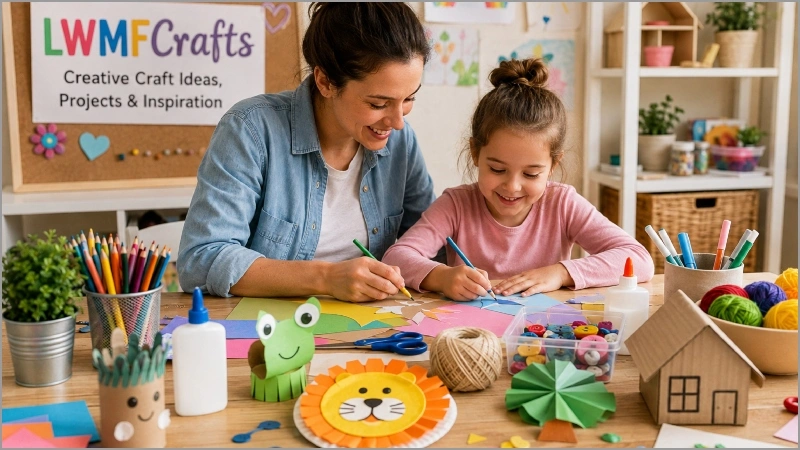
If you enjoy making things by hand but do not want complicated instructions or expensive supplies, LWMFCrafts offers a useful starting point. The platform focuses on accessible DIY projects, family-friendly activities, and creative ideas that can be adapted to materials already available at home. Its own description emphasizes simple, affordable, hands-on crafting rather than elaborate equipment.
The appeal of LWMFCrafts is not simply the number of projects available. The better approach is to choose crafts based on your time, materials, skill level, and the person who will actually make them. A five-minute paper project can be more successful with a young child than a detailed craft requiring several specialty tools.
What Is LWMFCrafts?
LWMFCrafts is a craft-focused platform centered on DIY ideas, creative activities, and projects for families and beginners. Its content includes paper crafts, recycled-material projects, indoor activities, playful crafts, and other hands-on ideas.
The broader LookWhatMomFound content also connects LWMF Crafts with family-oriented creative activities such as paper-plate animals, string painting, homemade playdough, cardboard playhouses, and nature collages.
For someone searching for WMFCrafts, the important takeaway is that the goal is practical creativity: start with ordinary materials and turn them into something useful, decorative, educational, or simply fun.
Why Simple Craft Projects Work So Well
A common mistake is assuming that a good craft needs a complicated final result. In practice, simple projects often leave more room for creativity.
For example, give a child a cardboard box and ask them to make a vehicle. One child may create a race car, another may build a bus, while someone else turns it into a spaceship. The basic material stays the same, but the outcome changes according to imagination.
c’ approach similarly emphasizes everyday materials and accessible projects.
Crafting can also provide opportunities to practice:
- Cutting and arranging materials
- Following a sequence of instructions
- Choosing colors and shapes
- Solving small construction problems
- Decorating and personalizing an object
- Working patiently toward a finished project
The value is often in the process, not whether the finished craft looks perfect.
Creative LWMFCrafts Projects to Try
1. Cardboard Organizer
Save a clean cereal or shipping box and cut it into sections. Cover the pieces with paper or paint, then assemble compartments for pencils, notes, or small craft supplies.
Best for: Older children, students, and home-office organization.
Practical tip: Measure the sections before cutting. A few minutes of planning can prevent a crooked organizer that does not stand properly.
2. Paper Plate Animals
Paper plates are inexpensive and easy to work with. Turn one into a lion, fish, turtle, bird, or another animal using paper, markers, paint, and glue.
Best for: Younger children and classroom-style activities.
Rather than giving children an exact template, provide a few examples and let them choose the animal’s colors and features. That small change makes the activity more creative.
3. Nature Collage
Collect fallen leaves, small twigs, and other suitable natural materials during a walk. Arrange them on sturdy paper to create an image or abstract pattern.
Best for: Family activities and seasonal projects.
Choose dry materials rather than fresh or damp leaves. Moisture can cause paper to wrinkle and may make the finished project difficult to preserve. For more information, visit my website.
4. Recycled Box Story Set
A shoebox can become a miniature stage. Add paper backgrounds, cardboard characters, fabric scraps, or simple props to create a setting for storytelling.
This project works particularly well when the craft continues into imaginative play. Instead of finishing the box and putting it away, children can use it to create stories afterward.
5. Button or Scrap-Material Art
Leftover buttons, ribbons, fabric pieces, and paper scraps can become decorative artwork. Draw a basic outline—a tree, heart, balloon, or flower—and fill it with selected materials.
For younger children, avoid small loose components that may present a choking risk.
How to Choose the Right Craft
Not every project suits every situation. Before starting, consider four things:
| Consideration | What to Ask |
|---|---|
| Time | Can the project be completed in one sitting? |
| Skill | Can the maker safely handle the tools involved? |
| Materials | Do you already have most supplies? |
| Purpose | Is it for play, learning, decoration, or gifting? |
This simple check can prevent one of the most common crafting problems: starting an ambitious project without having the time or materials to finish it.
Crafting Mistakes to Avoid
Buying Too Many Supplies
Do not build an entire craft store before trying your first project. Start with paper, cardboard, scissors, glue, markers, and recyclable materials.
Copying the Example Too Closely
A reference image should provide direction, not a rulebook. If a child wants a purple elephant or a square-shaped flower, let the design change.
Ignoring Cleanup
Glitter, paint, and strong adhesives can quickly turn a short activity into a difficult cleanup job. Cover the work surface first and keep a damp cloth nearby.
Choosing the Wrong Difficulty
A project that is too difficult can turn enthusiasm into frustration. Beginners generally benefit from projects with fewer steps and inexpensive materials before moving to detailed techniques.
How to Make LWMFCrafts Projects More Meaningful
The strongest projects often have a purpose beyond decoration.
Turn a paper craft into a birthday card. Make a recycled box into a desk organizer. Transform a nature collage into seasonal wall art. Build a cardboard stage and use it for storytelling.
This approach gives the finished object a reason to exist, which can make the activity feel more rewarding.
Another useful technique is to keep a small craft box containing leftover materials. Store cardboard, clean packaging, yarn, paper scraps, buttons, ribbons, and similar items. When inspiration appears, you already have a starting point.
Who Can Enjoy LWMFCrafts?
LWMFCrafts can appeal to several audiences:
- Parents: easy indoor activities for children
- Teachers: adaptable classroom craft ideas
- Beginners: low-pressure projects for learning basic techniques
- Students: inexpensive creative projects
- Adults: relaxing DIY and home-decoration activities
- Families: projects that encourage shared creative time
The platform itself presents its ideas as suitable for children, beginners, parents, and people who simply enjoy making things by hand.
Conclusion
LWMFCrafts is most useful when treated as a source of creative starting points rather than strict instructions. The best project is not necessarily the most impressive one; it is the one that matches your available time, materials, skill level, and purpose.
Start with something small—a cardboard organizer, paper animal, nature collage, or recycled-material project. Once you understand what you enjoy making, you can gradually experiment with more advanced techniques and create projects that genuinely feel like your own. For related content, visit my website.