
 By IKadverts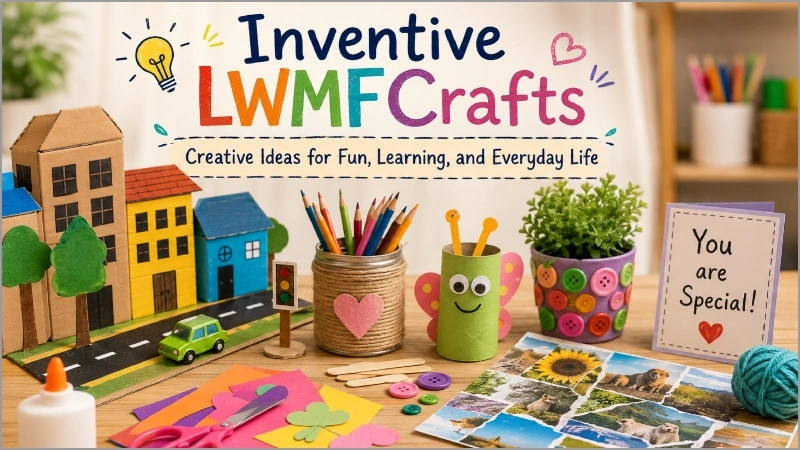
Crafting does not have to involve expensive supplies, complicated instructions, or a dedicated art room. Some of the most enjoyable projects begin with materials already sitting in a kitchen drawer, recycling bin, or desk.
Inventive LWMFCrafts takes this simple idea a step further by encouraging people to experiment, reuse everyday objects, and turn basic materials into something useful or imaginative. The concept fits especially well with family activities because children can participate while adults guide the process.
LWMFCrafts is associated with LookWhatMomFound and focuses on accessible DIY and creative activities for families. Its approach emphasizes practical projects that can be completed with common household materials rather than requiring professional equipment.
What Does Inventive LWMFCrafts Mean?
At its core, inventive crafting means looking at an ordinary object and asking, “What else could I make with this?”
An empty cardboard box might become a small house. A paper plate can turn into an animal face. Old magazines can provide colorful material for a collage, while fabric scraps can become decorations or simple accessories.
This approach makes crafting less about following a perfect template and more about problem-solving.
That difference matters. A child who changes the design, combines unusual materials, or finds a new purpose for an old item is practicing creative thinking rather than simply copying instructions.
Why Simple Materials Work So Well
One of the strongest ideas behind Inventive LWMFCrafts is accessibility.
You do not need a large collection of specialist supplies to begin. Common materials can include:
- Cardboard boxes and paper rolls
- Construction paper
- Empty jars and containers
- Yarn and fabric scraps
- Popsicle sticks
- Buttons and ribbons
- Old magazines
- Non-toxic glue and paint
- Recyclable packaging
Using household materials also reduces preparation time. Instead of waiting for a shopping trip, families can start a project when inspiration appears.
The original LWMFCrafts site similarly highlights everyday and recycled materials as part of its family-friendly craft approach.
Creative Craft Ideas to Try at Home
The best project depends on age, available materials, and the amount of time you have. Here are several practical ideas.
1. Turn Cardboard Into a Mini City
Save small boxes from food or household products and turn them into buildings.
Children can paint doors, windows, signs, and roads. Add paper trees, toy cars, or homemade traffic signs to expand the scene.
The project can also become educational. Ask children to design a library, school, grocery store, or fire station and explain what each building does.
2. Make a Recycled Magazine Collage
Old magazines provide ready-made colors, photographs, and patterns.
Cut interesting sections into small pieces and arrange them on thick paper. Instead of giving children a finished design, let them choose a theme such as nature, travel, animals, or their favorite foods.
This creates a different result every time.
3. Create Personalized Greeting Cards
A handmade card can become a simple weekend project.
Fold cardstock, add drawings or paper shapes, and write a personal message inside. Children can make birthday cards, thank-you notes, or holiday greetings.
The important part is personalization. A slightly uneven handmade card can feel more meaningful than a generic card purchased from a store.
Inventive LWMFCrafts for Children
Crafting can also support hands-on learning.
Younger children can work with large paper shapes, washable colors, stickers, and simple collage materials. Older children can handle projects that involve measuring, planning, cutting, and assembling.
For example, ask a child to build a paper bridge that can hold several small toy cars. Now the activity combines creativity with basic engineering and problem-solving.
The goal should not be perfection. Give children room to make decisions and learn from mistakes. For more information, visit my website.
Crafts That Encourage Recycling
Reusing materials can make a craft project more purposeful.
A plastic container, cardboard tube, or old box does not automatically have to become waste. With imagination, it can become part of a toy, organizer, decoration, or art project.
This is where Inventive LWMFCrafts can have a practical environmental angle. Rather than simply telling children that recycling matters, you can demonstrate the idea through a project.
For instance, collect clean packaging for a week and challenge the family to create something from it over the weekend.
That turns an environmental lesson into an activity.
How Adults Can Make Crafting More Successful
A common mistake is choosing a project based only on how impressive the finished photograph looks.
A better approach is to consider the actual experience.
Before starting, ask:
- Is the project suitable for the child’s age?
- Do we already have most of the materials?
- How long will preparation and cleanup take?
- Does the child have enough freedom to make choices?
- Are scissors, adhesives, paints, or other materials appropriate and safe?
This simple checklist can prevent frustration.
For younger children, adults should supervise materials that could cause injury or become choking hazards. Use child-appropriate scissors and non-toxic supplies when suitable.
Inventive LWMF Crafts for Busy Families
Not every creative activity needs an entire afternoon.
A 10- or 20-minute project can work well after school, before dinner, or during a quiet weekend morning.
Try keeping a small craft box containing paper, pencils, glue, washable markers, yarn, stickers, and clean recyclable materials. When someone wants to create something, the basic supplies are already available.
This removes one of the biggest barriers to crafting: preparation.
Fast craft projects are also a recurring theme within LWMFCrafts content, showing how short activities can fit into busy routines.
Making Crafting More Educational
Crafting becomes even more valuable when you connect it with another subject.
For example:
Science: Build a simple model showing the water cycle.
Math: Create patterns using colored paper shapes.
Reading: Make puppets based on characters from a story.
History: Design a model inspired by a historical building.
Writing: Create a handmade notebook and use it for a short daily journal.
These activities do not need to replace formal lessons. They simply provide another way to understand an idea through hands-on work.
The Role of Creativity in Everyday Life
Creativity is not limited to professional artists.
It appears whenever someone finds a new solution, changes a design, combines ideas, or approaches an ordinary problem differently.
That makes Inventive LWMFCrafts more than a collection of craft projects. The bigger value comes from encouraging people to experiment.
A child who learns that a failed design can be changed rather than thrown away may become more comfortable with trial and error. An adult may discover a relaxing hobby that fits easily into everyday life.
How to Get Better Results From Your Projects
You do not need complicated techniques to improve your crafts.
Start by keeping your workspace organized. Sort materials into small containers so that paper, tools, and decorations are easy to find.
Next, focus on one main idea. Too many materials can make a project confusing.
Finally, allow the design to change while you work. Sometimes the best result comes from an unexpected mistake or a new idea halfway through the project.
Take photographs of finished projects, especially children’s work. Over time, these pictures can become a useful record of how their interests and skills develop.
Why Inventive LWMFCrafts Is Worth Exploring
The strongest part of Inventive LWMFCrafts is its practical approach to creativity.
You can start with almost nothing, adapt projects to different ages, and use materials that might otherwise be discarded. The activity can be purely recreational, educational, social, or even useful around the home.
More importantly, there is no requirement to produce a perfect final product.
The real success of a craft project is often the process: choosing an idea, testing it, solving problems, and enjoying the satisfaction of making something yourself.
Final Thoughts
Crafting works best when it feels achievable.
Inventive LWMFCrafts offers a useful mindset for families and beginners: start with what you have, experiment with simple ideas, and allow creativity to guide the finished result.
Whether you transform cardboard into a miniature city, create a recycled collage, design a greeting card, or build a simple educational model, the project can provide more than entertainment. It can encourage imagination, practical skills, family interaction, and confidence.
You do not need expensive supplies to begin. Sometimes, the most inventive project starts with the ordinary object you were about to throw away.
Frequently Asked Questions
What is Inventive LWMFCrafts?
It refers to a creative, hands-on approach to LWMFCrafts that encourages imaginative DIY projects using accessible materials.
Are LWMFCrafts projects suitable for children?
Many projects can work for children when adults choose age-appropriate materials and provide suitable supervision.
Do I need expensive craft supplies?
No. Many projects can use paper, cardboard, recycled containers, fabric scraps, and other everyday materials.
Can crafting be educational?
Yes. Crafts can support lessons involving science, math, reading, writing, design, and problem-solving.
How can beginners start crafting?
Choose a simple project, gather a few basic materials, and focus on experimenting rather than producing a perfect result. Read more content like this; click here.